
Are We in an AI Bubble? The Survivor Traits That Matter Most
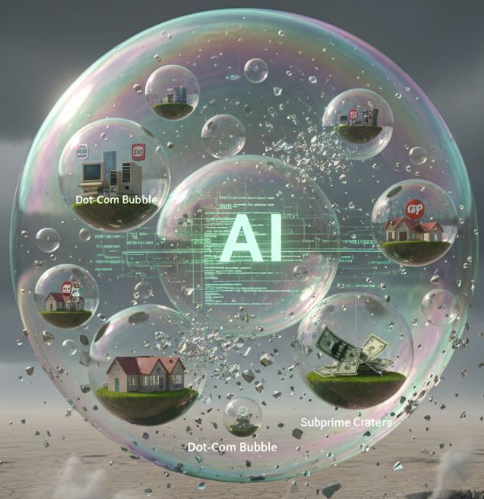
Today, we hear the debate every day: are we in an AI bubble now? Some say yes, pointing to trillion-dollar valuations on unproven revenue; others disagree, citing real productivity gains. But the real question investors should ask is: If we are in an AI bubble, what traits will help companies survive and continue growing after the burst?
What surviving companies have in common (with lessons from The Original Apocalypse)
1. Real, painful customer value, not just hype
Fluhr’s first lesson: when founding StubHub in March 2000, just before the dot-com crash, the timing was terrible. But he and his team believed in the fundamental market need: a better, safer, easier way to resell event tickets.
For AI-era startups, companies that automate expensive workflows, reduce unit costs, or create new revenue lines that customers won’t turn off in a downturn are far likelier to survive than those built around vague “AI hype.”
2. Flexibility in strategy, able to pivot when needed
Fluhr described how StubHub originally considered a B2B model (via media & partner sites), but later pivoted to focus on B2C once they saw paid-search acquisition working.
In an AI bubble, firms that can adjust their go-to-market strategy (enterprise vs consumer, SaaS vs licensing, direct sales vs partnerships) and adapt their assumptions are more likely to weather a downturn.
3. Frugality, capital discipline & long runway
One of Fluhr’s “Depression-Era values”: frugality, from deferring salaries to using cheap office space, to stay alive when capital dried up.
Today’s “grow fast at all costs” startups may be vulnerable. The survivors will be those who maintain financial discipline, manage burn-rate, and prioritize runway over rapid scaling fueled solely by investment.
4. Persistence and focus on building real value
Despite the crash and a terrible fundraising climate, the StubHub team kept working, believing they had a “10× better mousetrap.” They stayed committed, even when capital and support were scarce.
AI-era firms with long-term vision, even when the hype fades, and who keep investing in product quality, customer value, and execution, will outlast those chasing short-term buzz.
If this is an AI bubble, here are the questions an investor needs to ask:
Does the company solve a real, urgent problem that customers will continue paying for, even if hype fades?
Can the company measure real impact on customers (cost savings, revenue generation, efficiency) today, not just promise it for the future?
Have the founders shown they can pivot the business effectively in response to market or customer changes?
Does it have capital discipline and a long runway, or is it burning cash at unsustainable rates?
Are the founders and team persistent and focused on long-term value, rather than short-term growth metrics?
Does the business have a defensible moat, proprietary data, network effects, strong customer relationships, or operational advantages?
Final Thought
Bubbles will come and go, yet as history shows the companies that survive are those laser-focused on real value, frugal execution, and adaptability. For AI investors, identifying these traits today may be the best hedge against the next “burst.”
