Join us on a journey of learning together while we share our thoughts and lessons learned.
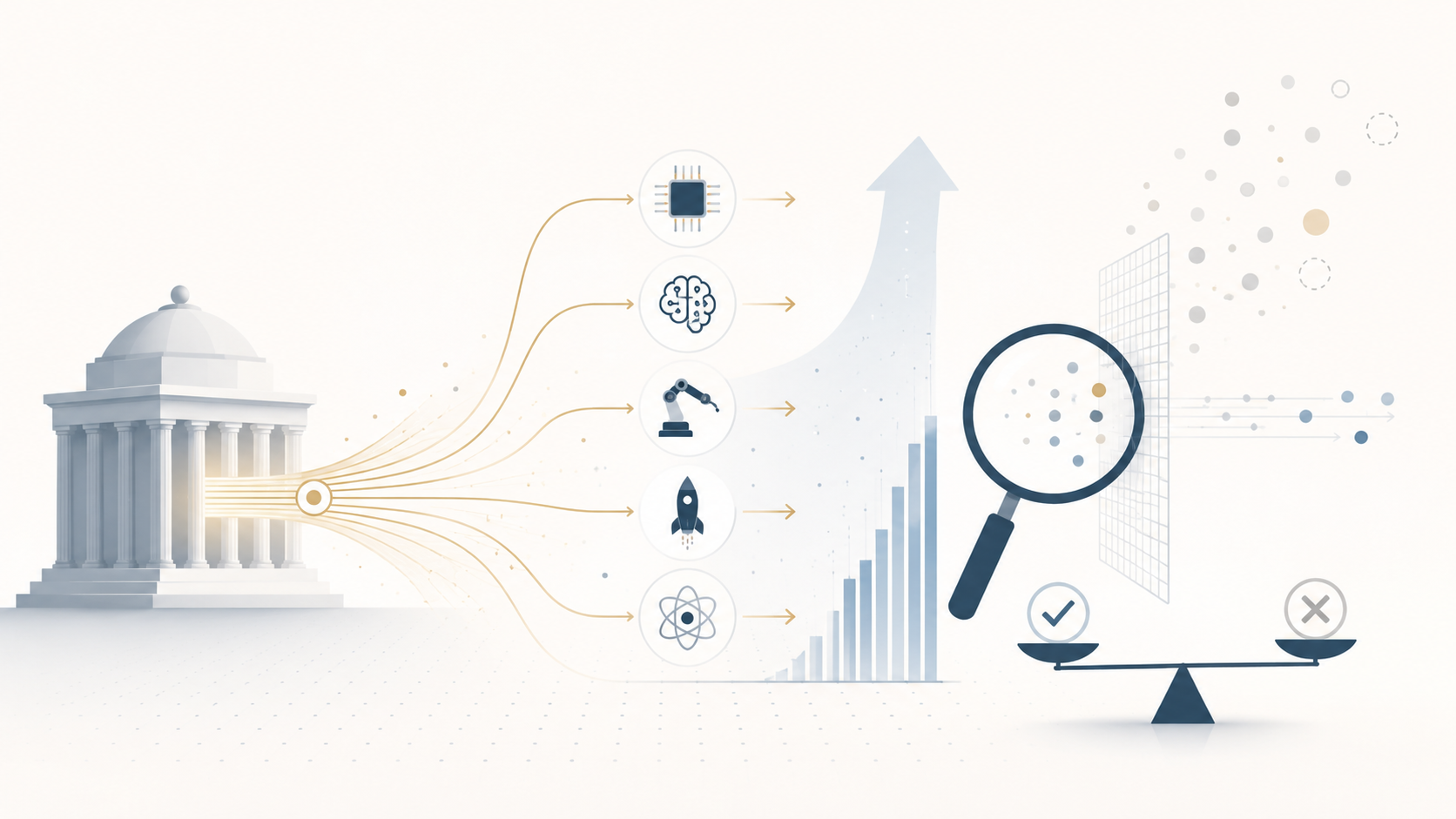
Today, we hear the debate every day: are we in an AI bubble now? Some say yes, pointing to trillion-dollar valuations on unproven revenue; others disagree, citing real productivity gains. But the real question investors should ask is: If we are in an AI bubble, what traits will help companies survive and continue growing after the burst?
Where MENA VC Funds Actually Live: Cayman vs. Home Turf (2019–2025 Trends)
In the early days of any new technology, almost everyone operating at the edge gets called a “tech company.” Then the tools mature, infrastructure improves, and what used to be a moat quietly becomes a commodity.
With the rise of AI hype, we hear it everywhere. Founders pitch themselves as AI-first or AI-native. The labels sound impressive, but what do they actually mean? And more importantly, what distinguishes companies that merely use AI from those fundamentally built on it?
Raising capital can shape the entire future of a startup, but before term sheets, KPIs, and financial models, there is one moment that sets everything in motion.
In the early days of any new technology, almost everyone operating at the edge gets called a “tech company.” Then the tools mature, infrastructure improves, and what used to be a moat quietly becomes a commodity.
From the beginning, finance was my first and only choice. It’s a field that connects the present to the future, a language of numbers that helps you understand the world and shape what comes next.
Studying actuarial science turned out to be one of the best decisions I made early in my career. Even though most people associate the field with insurance, it gave me a strong foundation that eventually led me into investment analysis.
التنس بالنسبة لي أكثر من مجرد رياضة، هي مدرسة ذهنية تعلّمني التركيز، الحضور الذهني، والمرونة.
في كل نقطة أتعلم كيف اتعامل مع الضغوط، انسى الأخطاء، وأعود الى اللحظة. هذه المقالة تلخص كيف غيّرت التنس طريقة تفكيري داخل الملعب وخارجه.
Fundraising can feel like a black box, but it doesn’t have to. After reviewing hundreds of pitches, I’ve noticed clear patterns that separate an “interesting idea” from a “serious opportunity.” Here’s a simple, friendly breakdown of what truly matters inside a VC’s decision-making process.
As a VC, I approached my quicj trip to one of the Red Sea resorts differently, seeing a company sucessully scaling quickly and successfully.
In the early days of any new technology, almost everyone operating at the edge gets called a “tech company.” Then the tools mature, infrastructure improves, and what used to be a moat quietly becomes a commodity.
If wave one of fintech startups was about direct disruption, I mean Fintechs fighting incumbents head on, with disruptive tech and innovative UX. It seems that wave two, or the new theme I’m noticing, is about enabling the disrupted ones to adapt. In other words, arming incumbents with disrupter-grade rails to fight back!
If you’re a founder, an angel investor, a fellow VC, or an LP, we’d love to hear from you. Tell us what excites you. We believe in long-term partnerships.

Contact US
We Would Love To Hear From You
Newsletter
Join our newsletter for exclusive Market Watch insights, podcasts, founder stories, in addition to our thoughts, market maps, and trend analyses.