
Gross Margins: The Global Benchmark Every Startup Should Understand
Gross margin is one of the most telling indicators of a company’s long-term potential. While revenue growth often captures headlines, investors globally use gross margin to assess whether a business can scale sustainably, generate operating leverage, and ultimately produce meaningful returns.
Why Gross Margin Matters
At its core, gross margin shows how efficiently a company delivers its product or service. High gross margins signal pricing power, scalable economics, and the ability to reinvest in growth. Low margins, on the other hand, require exceptional volume or strong cost control to become viable at scale.
For venture-backed companies, gross margin is less about where the business is today and more about where it can structurally land over time.
Global Gross Margin Benchmarks (by Business Model)
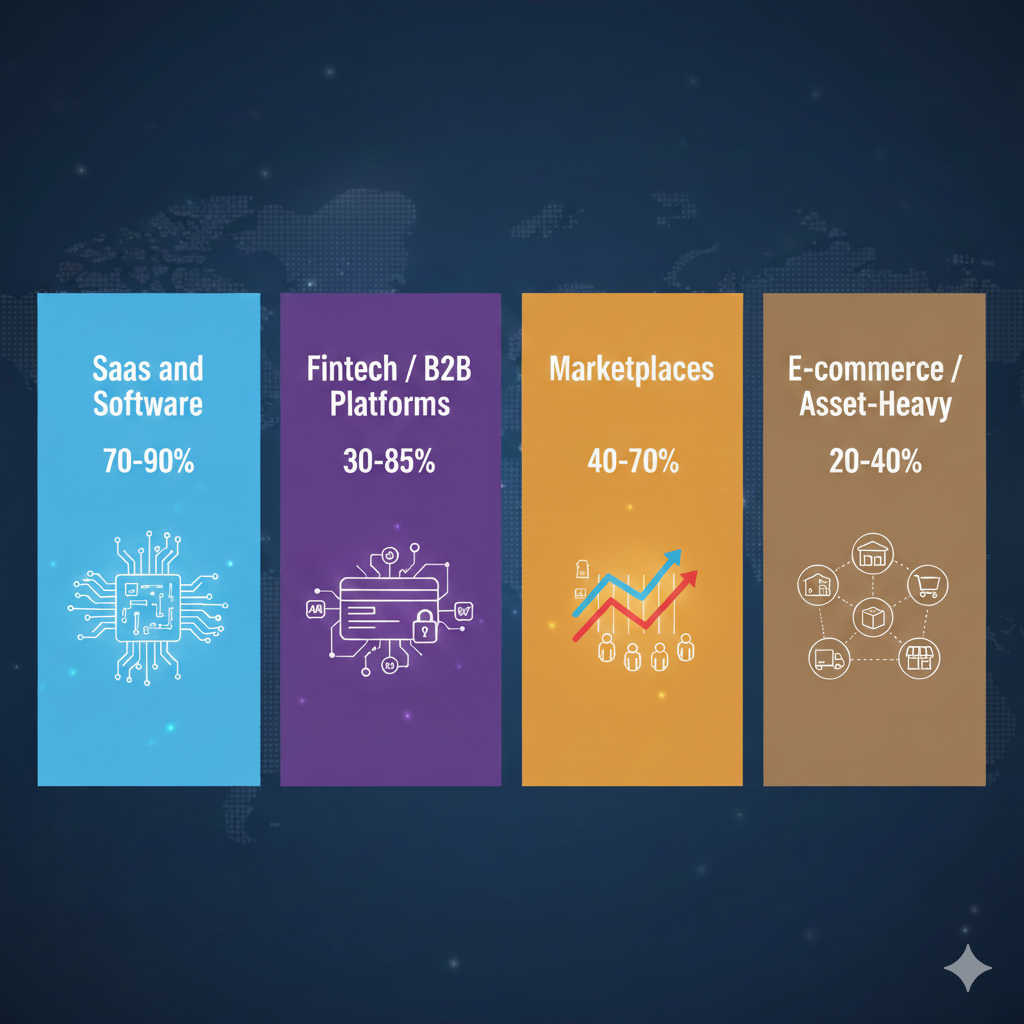
SaaS and Software Platforms
Typical range: 70–90%
Best-in-class companies operate above 80%
Software businesses benefit from low marginal costs, making high gross margins a core expectation rather than a bonus.
Fintech and B2B Platforms
Data, APIs, and enterprise fintech: 60–85%
Payments and transaction-heavy models: 30–50% in early stages, with expectations of margin expansion over time
Margins in fintech depend heavily on revenue mix, infrastructure costs, and the ability to move up the value chain.
Marketplaces
Typical range: 40–70%
Gross margin is driven by take rates and platform efficiency, with scale playing a critical role in improving margins over time.
E-commerce, Logistics, and Asset-Heavy Models
Typical range: 20–40%
Lower margins are generally acceptable only when paired with strong growth, clear operational leverage, or the ability to layer higher-margin services on top.
Conclusion:
Gross margin is more than a financial ratio, it is a signal of business quality. Across global markets, companies that achieve durable success share one common trait: margins that either start strong or improve meaningfully with scale. High gross margins create room for experimentation, resilience during downturns, and sustained reinvestment in product, talent, and growth.
For founders, understanding gross margin benchmarks early helps shape smarter pricing, product design, and go-to-market decisions. For investors, margins offer a fast and reliable lens into whether growth is compounding value, or simply consuming capital.
As capital becomes more selective worldwide, the companies that stand out will not be those growing the fastest, but those building economically sound models with clear paths to profitability. In that sense, gross margin is not just a benchmark, it is a long-term competitive advantage.
