
The Greatest Wealth Transfer in History: 80 Trillion Dollars Moving Across Generations
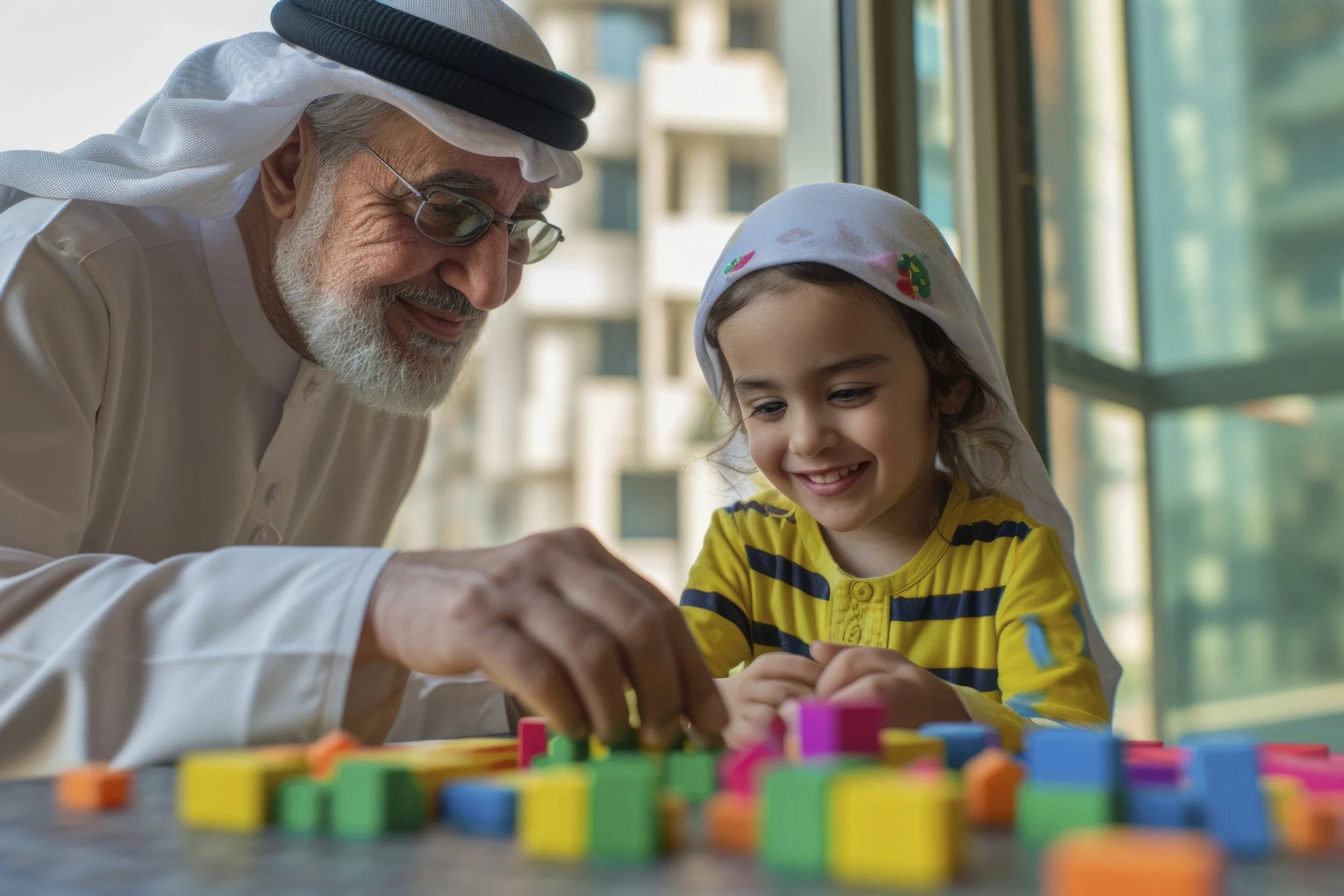

In the years ahead, the world is about to witness an unprecedented financial event not a crisis, nor a boom, but a massive transfer of wealth from one generation to the next. It’s a quiet shift, unfolding far from breaking news headlines, seeping through homes, banks, family businesses, and legal offices. Millions of assets are changing hands, gradually reshaping how wealth is managed around the world.
At first glance, it may seem ordinary — a family gathered to divide an inheritance, or a young heir taking charge of a company, property, or investment portfolio. Yet what’s happening today goes far beyond those familiar scenes. We are entering a historical wave in which over 80 trillion dollars will change ownership globally within just two decades. The real question is: what happens when such an immense volume of wealth changes hands so quickly — and, in many cases, without adequate preparation?
What Is the Great Wealth Transfer and Why Is It the Largest in History?
To grasp the magnitude of this event, we need a global perspective. According to the Global Wealth Report 2025, more than 83 trillion dollars are expected to be transferred between generations over the next 20 –25 years. This represents the largest intergenerational wealth shift in modern history not only because of the enormous sum involved, but also due to the diversity of assets and their global distribution.
The Baby Boomer generation holds an extraordinary concentration of wealth. In the United States alone, Boomers collectively own more than 83 trillion dollars in net assets more than the total wealth of all younger generations combined. This wasn’t an accident; it was the product of five decades of economic growth, globalization, rising property values, and expanding financial markets.
As this generation ages, this vast pool of accumulated wealth is entering its natural phase of transfer to children and grandchildren. What makes this moment historically unique includes:
Equity markets that have reached record valuations.
Real estate whose values have multiplied five or six times in many regions.
Family businesses that began as small ventures and evolved into regional groups.
Complex investment portfolios including alternative assets, private funds, and sophisticated financial instruments.
The report also notes that the transfer occurs in two directions: vertically between generations, and horizontally within the same generation (between spouses and partners) the latter accounting for about 9 trillion dollars of the total sum.
This is not simply a transfer of savings accounts; it is the inheritance of entire financial systems spanning businesses, properties, investment portfolios, and family structures.
Saudi Arabia and the Gulf: A Distinctive Version of Wealth Transfer
While the global wealth transfer is advancing as a quiet, gradual tide, the Gulf region is experiencing its own accelerated, more profound version of this transformation — shaped by a unique economic path developed over the last two decades. Here, wealth has not only grown; the nature of assets themselves has been redefined, from real estate to family enterprises and financial investments. The coming intergenerational transfer in the region is therefore unlike any other in the world.
Over the past twenty years, Gulf assets have expanded dramatically due to:
Rising property values in major cities.
The growth of the private sector and family-owned businesses.
The emergence of a new generation of entrepreneurs and investors.
Increased local and international financial investments.
The growth of energy, services, and technology sectors.
As a result, thousands of Gulf families are preparing for wealth transfers worth billions of riyals and dollars. This is not merely a family event — it is an economic transformation that will reshape saving, spending, and investment behaviors across the region.
How the New Generation Thinks About Wealth
The new generation doesn’t inherit just wealth; they inherit the responsibility of managing it and doing so in a completely different way from the generation that built it. Families are shifting from being “asset-owning households” to “investment-oriented families” with a global outlook.
Five major trends characterize this shift:
Digitization: Managing wealth through modern apps and digital platforms.
Diversification: Expanding into alternative assets such as venture capital, private equity, and private debt.
Sustainability: Seeking investments with social and environmental impact.
Independence: Relying on data and analysis rather than solely on family decisions.
Family offices: The growing move from personal, founder-led management to institutional, professionally managed structures with long-term strategies.
This transformation is not a matter of style — it signifies a real transfer of financial decision-making from founding generations to a more digital, global, and innovation-driven generation less attached to traditional asset classes.
The Deep Challenges This Wave Reveals
While this massive transition offers great opportunities, it also exposes serious risks that, if left unmanaged, could lead to wealth fragmentation or loss of value:
Complex inheritance structures: As enterprises and assets multiply, estates have become more intricate, increasing the chance of disputes and asset freezes.
Asset concentration: Much Gulf wealth remains tied up in real estate or family businesses; such concentration poses risks in a changing global market, underscoring the need for broader diversification.
Intergenerational communication gaps: Founders’ preference for security and stability often contrasts sharply with their heirs’ emphasis on innovation and data-driven decisions.
Lack of long-term financial planning: Without multi-generational strategies, even large fortunes risk erosion over time.
Shortage of specialized local wealth advisors: Despite financial sector progress, the ecosystem of professionals skilled in complex wealth and family office management is still maturing in the region.
How This Shift Could Reshape the Saudi Economy
This wealth transfer will profoundly transform the economic cycle by:
Injecting large amounts of liquidity seeking innovative investment opportunities.
Driving growth in technology investments, especially in artificial intelligence and digital economies.
Expanding the establishment of professional family offices.
Boosting demand for flexible and innovative investment funds.
Fueling entrepreneurship through new sources of private capital.
Collectively, these shifts position the wealth transfer as a fresh economic engine, accelerating innovation across the Kingdom.
A Personal Reflection
The reason for writing this piece is that the coming wave of wealth transfer in Saudi Arabia and the Gulf is not merely a financial event it’s a defining moment that could shape the stability of families and economies for decades ahead.
What’s truly concerning is the potential fragmentation of wealth during transfer, or its devaluation due to weak governance or overconcentration in legacy asset classes. Yet, this moment also presents an opportunity a chance for a leap in financial awareness, for institutional family offices to emerge, and for wealth allocation to become guided by diversification and sustainability.
This topic matters to me personally, not just professionally. Spreading awareness about wealth management protects families, strengthens the private sector, builds economic resilience, and empowers the next generation to make informed financial decisions.
Within this context, Sadu Capital’s role fits naturally. The firm does not simply offer investment opportunities; it helps families pursue genuine asset diversification particularly through fast-growing technology sectors. Technology is no longer a standalone industry; it has become integral to the future of wealth management from portfolio analysis to financial planning tools to creating new investment channels for the next generation.
Smart diversification especially through technology is no longer optional. It is essential to safeguard wealth against concentration risks and ensure its smooth transfer across generations.
Conclusion: What Does It All Mean?
The great wealth transfer is ultimately not a story about money, but about generations. One generation built wealth through patience and experience; the next will manage it through knowledge and technology. Between them, the Kingdom has the opportunity to pioneer a new model of wealth management for the region.
One generation views wealth as real estate and family businesses; the next sees it as innovative investments and global ventures. The key question now is:
Will the Kingdom merely receive this transformation or will it lead it?
Will we settle for distributing wealth or will we build a new ecosystem to manage it, strengthen family offices, and establish homegrown firms that define the future of asset management?
What we see today is only the beginning the opening scene of a deeper phase in which wealth changes hands, mindsets evolve, investment philosophies shift, and perhaps even the very definition of success is rewritten.
